


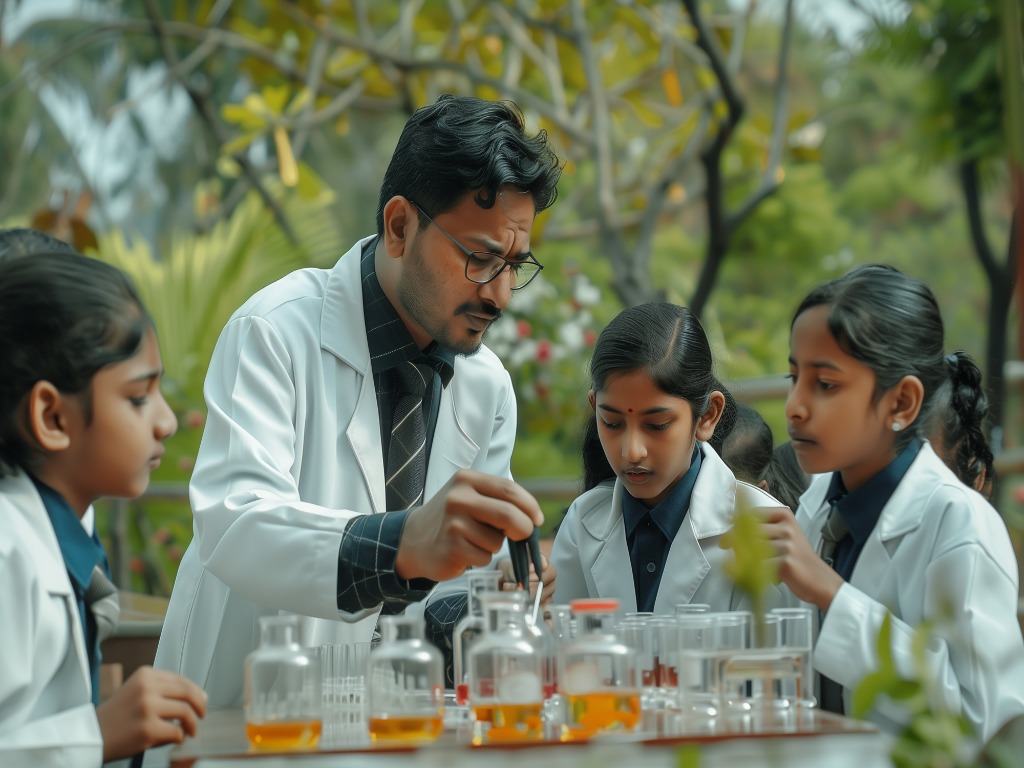
Pharmacy education is about more than just mastering the scientific aspects of drug development, pharmaceutical chemistry, and patient care. At Indore Institute of Pharmacy, the Pharmacy Colleges in Indore, where it is also about shaping well-rounded professionals who are capable of thriving in a dynamic healthcare landscape. While a strong academic foundation is crucial, the importance of extracurricular activities in fostering personal growth, leadership, teamwork, and a sense of social responsibility cannot be overlooked. In today’s competitive world, pharmacy students must be equipped with more than just technical knowledge; they need a range of skills and experiences that will help them excel in various professional settings.
This article explores how extracurricular activities offered by leading pharmacy institutions contribute to the holistic development of students, focusing on the value of these activities in preparing future pharmacists for the challenges they will face in their careers.
Indore Institute of Pharmacy (IIP) stands out not only for its academic excellence but also for its emphasis on holistic student development. IIP offers a wide range of extracurricular activities, including sports, cultural events, and community outreach programs, which are integral to shaping well-rounded pharmacy professionals. The institute fosters leadership, teamwork, and problem-solving skills through student clubs, competitions, and workshops. Regular seminars, guest lectures, and industry visits ensure that students stay abreast of the latest trends in the pharmaceutical industry. IIP’s dynamic campus life encourages students to engage in activities beyond the classroom, enriching their learning experience and preparing them for success in their professional careers.
Extracurricular activities refer to any educational activities that take place outside the formal curriculum, which aim to support a student’s personal, social, and professional development. In pharmacy programs, these activities go beyond classroom learning and offer students the opportunity to develop essential skills such as leadership, communication, time management, and teamwork. These activities can have a significant impact on students’ professional growth by allowing them to explore different aspects of the pharmaceutical industry, engage with peers, and contribute to their communities.
By participating in extracurricular activities, pharmacy students are able to gain valuable real-world experiences that complement their academic learning. These activities offer numerous benefits, such as fostering creativity, encouraging collaborative problem-solving, enhancing interpersonal skills, and promoting physical and mental well-being. Moreover, extracurricular engagement can provide students with opportunities to network with industry professionals, gain practical experience, and explore different career paths.
Many pharmacy institutions offer students the chance to join pharmacy societies or clubs that provide a platform for students to engage in professional discussions, learn about the latest industry trends, and participate in various activities. These societies often organize events such as guest lectures, panel discussions, and career development workshops. These clubs create a sense of community and provide students with opportunities to network with peers, faculty, and professionals from the pharmaceutical industry.
For example, students may engage in activities like organizing pharmacy awareness campaigns, attending regional or national conferences, or participating in educational outreach programs to raise awareness about the safe use of medications. Such activities help students develop leadership skills, build connections, and gain insights into industry developments.
Internships play a crucial role in bridging the gap between theoretical knowledge and practical application. Leading pharmacy institutions offer students the opportunity to work as interns in pharmaceutical companies, hospitals, research labs, or public health organizations. These internships allow students to gain hands-on experience in clinical settings, drug formulation, patient counseling, and pharmaceutical research.
Participating in research internships helps students develop critical thinking skills and an understanding of the scientific process. It also gives them the chance to contribute to ongoing research projects, which is an invaluable experience for those who wish to pursue careers in academia or the pharmaceutical industry. Clinical internships expose students to real-world challenges and help them refine their communication and patient interaction skills, which are essential for a successful career in pharmacy.
Pharmacy education emphasizes the importance of giving back to society. Community outreach programs allow pharmacy students to apply their academic knowledge in real-world settings while helping underserved populations. These programs often focus on educating the public about medication safety, disease prevention, and healthy lifestyle choices.
Pharmacy students can also participate in free health clinics, vaccination drives, and health screenings. These activities give students a chance to directly impact public health and gain hands-on experience in patient care. Additionally, working with diverse populations helps students develop cultural competence and a deeper understanding of social determinants of health.
Maintaining physical health is just as important as academic success, and many pharmacy institutions offer extracurricular activities related to sports and wellness. These activities encourage students to maintain a healthy work-life balance, reduce stress, and improve their overall well-being.
Institutes often organize sports tournaments, fitness challenges, yoga sessions, and wellness workshops that promote a healthy lifestyle. By participating in sports, students can develop teamwork and leadership skills, manage stress effectively, and build lasting relationships with their peers. Sports also provide students with a fun and engaging way to break away from the academic pressures of their program, which can ultimately contribute to improved focus and productivity.
Cultural activities such as music festivals, drama clubs, and dance performances are an excellent way for pharmacy students to express themselves creatively and celebrate diversity. Many institutions encourage students to participate in these events to foster cultural awareness and promote a sense of inclusivity within the student body.
Cultural and social events provide an opportunity for students to unwind and build relationships outside of the classroom. They also encourage teamwork, communication, and organizational skills, as students collaborate to plan and execute these events. Engaging in cultural activities helps students develop a well-rounded personality, which is essential for success in the globalized world of healthcare.
Pharmacy programs often offer workshops and training sessions to help students develop specific skills that are essential for their professional success. These may include workshops on scientific writing, communication skills, leadership training, time management, and interview preparation. Students can also attend seminars and webinars on emerging topics in pharmacy, such as pharmacovigilance, clinical research, drug regulations, and new drug developments.
By participating in these programs, students enhance their technical, soft, and transferable skills, making them more competitive in the job market. These activities also provide students with opportunities to interact with industry experts, gain insights into future trends, and broaden their knowledge base.
Pharmacy education also encourages entrepreneurial thinking, and many institutions offer students the opportunity to participate in innovation and entrepreneurship competitions. These events challenge students to develop new ideas, products, or solutions for the pharmaceutical and healthcare sectors. Such competitions often require students to work in teams, enabling them to hone their problem-solving, collaboration, and presentation skills.
By participating in entrepreneurship competitions, students can learn how to translate their scientific knowledge into innovative products or services that meet the needs of the healthcare industry. Winning or participating in these competitions can also open doors to funding opportunities, mentorship, and future career prospects in the pharmaceutical industry or startup ecosystem.
Extracurricular activities provide pharmacy students with numerous opportunities to take on leadership roles, such as organizing events, leading teams, or mentoring junior students. These experiences help students develop key leadership traits, including decision-making, conflict resolution, and the ability to inspire and motivate others. Leadership skills are essential for future pharmacists, who will often be required to manage teams, collaborate with healthcare professionals, and advocate for patient care.
Pharmacy students often work in collaborative environments, where clear and effective communication is key. Whether it is discussing a patient’s treatment plan with a doctor, counseling a patient on medication, or presenting research findings, communication is central to success in the pharmacy profession. Extracurricular activities help students improve their verbal and written communication skills, enabling them to articulate ideas confidently and build strong relationships with colleagues and patients.
By engaging in extracurricular activities, students have the chance to network with industry professionals, faculty members, alumni, and their peers. Networking is a valuable tool for career advancement, as it opens up opportunities for internships, job placements, and collaborative projects. Through events such as conferences, workshops, and career fairs, students can connect with potential employers and gain insight into the various career paths available to pharmacy graduates.
Extracurricular activities encourage students to step out of their comfort zones, whether it is by participating in public speaking engagements, collaborating on group projects, or volunteering for community outreach initiatives. These activities promote personal growth, self-confidence, and resilience, all of which are important for future pharmacists who must navigate challenging healthcare environments and handle complex patient care situations.
Extracurricular activities play a crucial role in shaping well-rounded pharmacy professionals who are prepared for long-term success in the healthcare industry. The combination of academic rigor and extracurricular engagement provides pharmacy students with the skills, knowledge, and experiences necessary to thrive in a rapidly changing field. Whether it’s through leadership opportunities, community service, or career development programs, extracurricular activities help students build a strong foundation for their careers while contributing to their personal growth. By carefully considering the extracurricular offerings of pharmacy institutions, students can choose the programs that best align with their career goals and aspirations, setting themselves up for success in the ever-evolving pharmaceutical landscape.
Q. 1 How do extracurricular activities contribute to pharmacy student growth?
Ans : Extracurricular activities build leadership, communication, and networking skills that are essential for a successful pharmacy career.
Q. 2 What makes Indore Institute of Pharmacy stand out for extracurricular activities?
Ans : Indore Institute of Pharmacy offers diverse extracurricular opportunities, including research internships, clinical rotations, and community outreach programs.
Q. 3 Which extracurricular activities should pharmacy students focus on?
Ans : Pharmacy students should engage in clinical internships, research projects, and leadership roles in pharmacy clubs to enhance their professional skills.
Q. 4 How do community outreach programs benefit pharmacy students?
Ans : Community outreach programs allow students to apply their knowledge in real-world settings, improving public health and enhancing patient care skills.
Q. 5 What networking opportunities do extracurricular activities provide?
Ans : Participating in pharmacy clubs and events gives students access to industry professionals, faculty, and peers, fostering valuable career connections.
Q. 6 Why are sports and wellness activities important for pharmacy students?
Ans : Sports and wellness activities help reduce stress, improve mental health, and teach teamwork, all of which are vital for personal and professional success.