


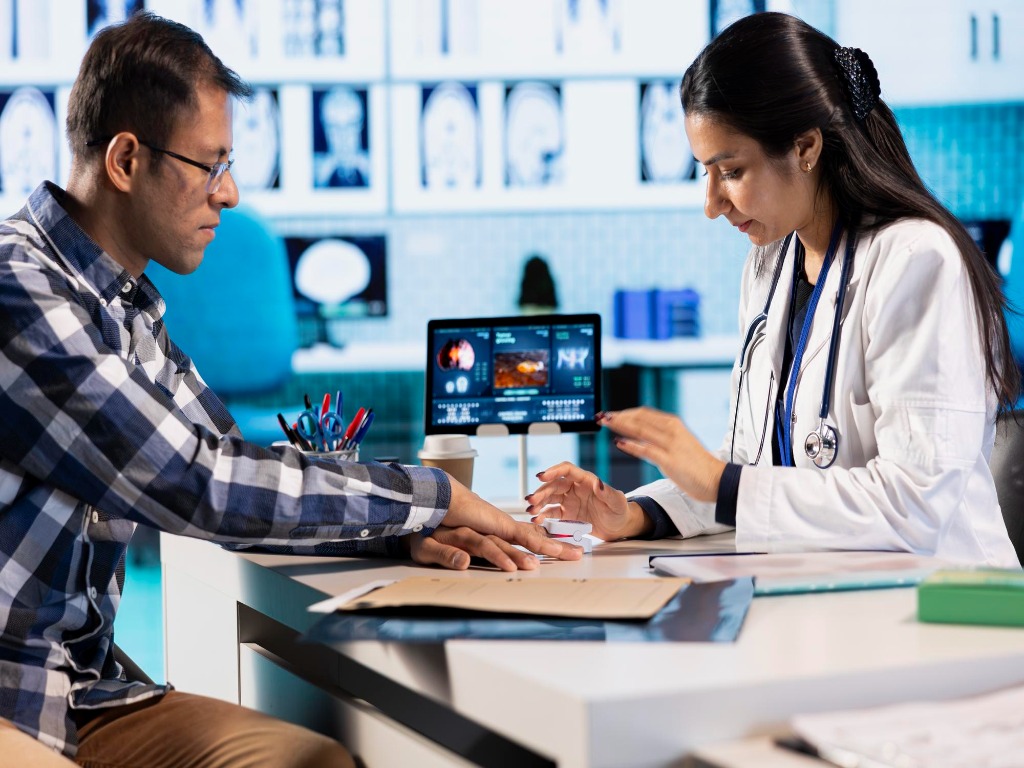
The modern pharmaceutical industry is fast-paced, competitive, and driven by innovation. At Indore Institute of Pharmacy, One of the pharmacy colleges in indore, students are equipped to thrive in this dynamic environment. The leading pharmacy colleges have transformed their academic approaches by integrating classroom instruction with hands-on industry experience. This combination of learning ensures that aspiring pharmacists grasp theoretical concepts and can effectively apply them in real-world pharmaceutical contexts.
Among these, the Pharmaceuticals Institution stands out for its progressive approach. The college’s curriculum emphasizes hands-on training, live projects, industrial visits, and internships that empower students to become job-ready professionals from the very beginning of their academic journey.
This article explores how the most reputed pharmacy colleges integrate industry exposure and internships to shape confident, skilled, and employable graduates ready to lead the next wave of innovation in healthcare.
At our institution, we believe that industry exposure and internships are pivotal to building competent pharmacy professionals. From early semesters, students engage with manufacturing units, hospitals and community pharmacies as part of structured programs, ensuring that theory is consistently matched by practical learning. Alongside this rigorous academic journey, we actively promote extracurricular life — be it guest-lectures by industry veterans, pharma-innovation clubs, sports meets or cultural festivals. Our annual pharma-summit, industrial-visit day and hackathon events enrich the student experience and create a lively campus climate. We are committed to grooming future pharmacists who not only understand formulations and quality control but also communicate effectively, work in teams and adapt to real-world challenges.
This is how our practice-driven education model sets us apart and positions our graduates ahead of the curve.
Pharmacy education has evolved significantly over the past decade. It’s no longer confined to theoretical lectures or rote learning. Today’s students need exposure to the real pharmaceutical ecosystem — from manufacturing and research to clinical trials and patient care.
To meet these new demands, top institutions are adopting an industry-integrated education model that emphasizes:
This transformation ensures that students gain the right balance of academic excellence and practical expertise, a combination highly valued by recruiters across the pharmaceutical and healthcare sectors.
The pharmaceutical sector requires professionals who are meticulous, ethical, and capable of handling cutting-edge technology. Industry exposure plays a crucial role in shaping these attributes by bridging the gap between theoretical understanding and professional application.
The Pharmaceuticals Institution has become a benchmark for excellence in industry-aligned pharmacy education. Its philosophy revolves around experiential learning, where every student gains exposure to actual pharmaceutical operations, research environments, and healthcare practices before graduation.
The college’s strong connections with pharmaceutical industries, hospitals, and research organizations enable students to participate in internships, workshops, and live industrial projects that complement their academic learning.
This balanced model ensures that graduates are not only knowledgeable but also industry-ready — capable of contributing meaningfully from their very first day on the job.
Modern pharmacy education demands modern facilities. To deliver comprehensive industry-oriented training, leading institutions have invested heavily in advanced infrastructure that mirrors professional pharmaceutical environments.
Strong industry collaboration is a hallmark of any leading pharmacy institution. The Pharmaceuticals Institution has established robust partnerships with renowned pharmaceutical and healthcare organizations to enhance learning outcomes and employability.
Internships are one of the most effective ways to prepare pharmacy students for the workforce. Through structured programs, the Pharmaceuticals Institution ensures that every student undergoes training tailored to their specialization and interests.
Pharmacy graduates today need more than technical expertise; they must possess strong communication, leadership, and problem-solving skills. Recognizing this, top institutions integrate soft-skill training and personality development programs into their curriculum.
Innovation drives progress in the pharmaceutical sector. Recognizing this, the Pharmaceuticals Institution promotes a culture of inquiry, experimentation, and entrepreneurship among students.
Practical training and internships play a significant role in shaping successful careers. Graduates with real-world experience are more likely to secure high-quality placements and adapt quickly to professional responsibilities.
Employers value candidates who understand manufacturing protocols, documentation standards, and quality assurance systems. Exposure to real pharmaceutical environments helps students develop job-ready skills that go far beyond academic learning.
Moreover, many students receive pre-placement offers from organizations where they completed internships, reflecting the high level of trust industry leaders place in these institutions’ training quality.
The best pharmacy colleges design their curriculum to meet global standards. The Pharmaceuticals Institution aligns its programs with guidelines from the Pharmacy Council of India (PCI), the World Health Organization (WHO), and other international regulatory bodies.
Through workshops, international guest lectures, and online certification programs, students learn about evolving topics such as:
This international perspective prepares graduates to pursue opportunities not only in India but also in global pharmaceutical markets.
Pharmacy education isn’t just about science — it’s about service. Leading institutions emphasize community engagement through public health awareness drives, medical camps, and social outreach programs.
Students participate in initiatives like free medication counseling, rural health awareness programs, and campaigns promoting the rational use of medicines. These experiences nurture empathy, social responsibility, and a commitment to ethical healthcare delivery.
The results of such a comprehensive educational approach are evident in the professional achievements of graduates. Alumni who trained under this model often excel in fields such as:
This holistic education model ensures that graduates are equipped not just with degrees but with the confidence and competence to thrive in a rapidly evolving healthcare ecosystem.
In an era where the pharmaceutical industry thrives on research, technology, and innovation, traditional educational boundaries are fading. At Indore Institute of Pharmacy, One of the list of pharmacy college in indore, the integration of industry exposure and internships into the academic framework sets the stage for developing skilled professionals. These professionals are well-equipped to contribute to the advancement of healthcare on both national and global scales.
By combining theory with practice, research with innovation, and learning with ethics, the best pharmacy colleges are producing not just pharmacists — but innovators, researchers, and compassionate healthcare leaders of tomorrow.
FAQs:
Q. 1 Why is industry exposure important in pharmacy education?
Ans : Industry exposure bridges classroom learning with real-world pharmaceutical practices, preparing students for successful careers.
Q. 2 How do top pharmacy institutions connect students with leading pharma companies?
Ans : They collaborate with reputed industries for training, internships, and live projects to ensure practical understanding.
Q. 3 What type of internships do pharmacy students typically undertake?
Ans : Students often engage in manufacturing, quality control, research, or clinical internships that enhance employability.
Q. 4 How do these internships help in career development?
Ans : They build confidence, skill, and hands-on experience that directly translate into better job opportunities.
Q. 5 Are students guided during internships by faculty mentors?
Ans : Yes, academic mentors work closely with industry experts to ensure students gain maximum learning from each placement.
Q. 6 How can students make the most of their industry exposure?
Ans : By actively participating, networking, and applying theoretical knowledge in practical situations.