


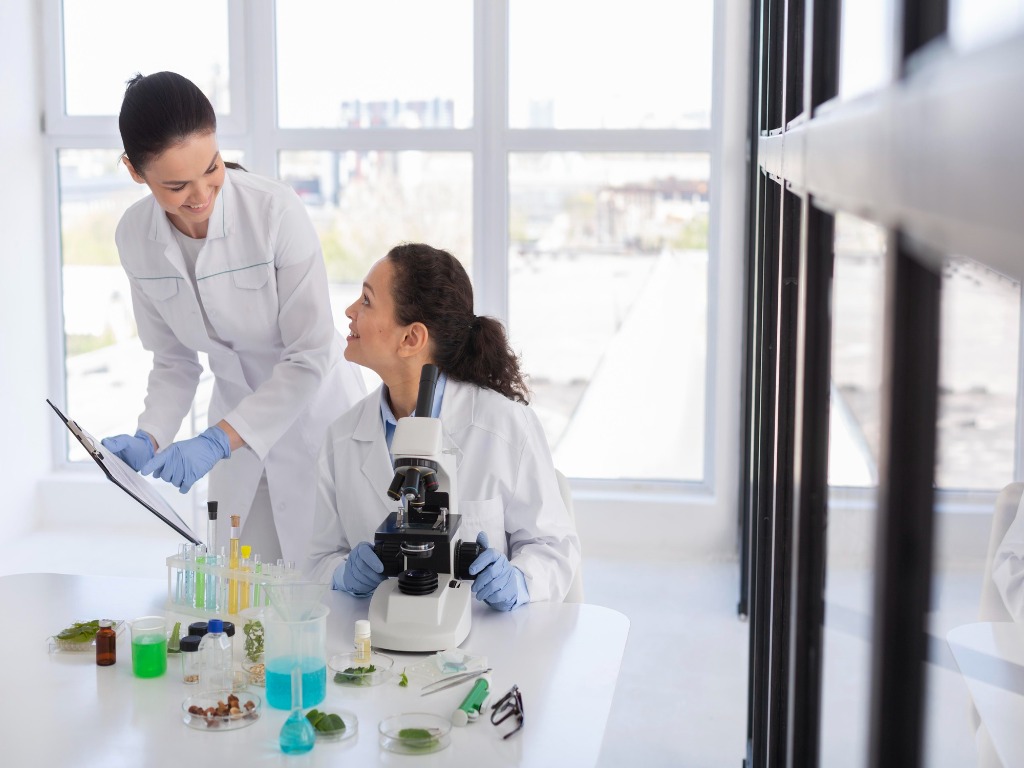
In today’s rapidly evolving healthcare landscape, pharmaceutical education plays a critical role in shaping professionals who ensure safe, effective, and innovative patient care. With advancements in drug development, biotechnology, and regulatory frameworks, the expectations from pharmacy graduates have grown significantly. At Indore Institute of Pharmacy, the Top Pharmacy Colleges in Indore where a strong pharmaceutical education is no longer limited to textbook knowledge—it must blend theoretical understanding with real-world application.
The demand for skilled pharmacists is increasing due to global health challenges, the rise of chronic diseases, and the expansion of the pharmaceutical industry. Institutions recognized as a Pharmaceuticals Institution focus on equipping students with both scientific expertise and practical competencies. This holistic approach ensures that graduates are prepared to contribute meaningfully to healthcare systems, research, and the pharmaceutical industry.
This article is inspired by modern educational approaches that emphasize experiential learning, skill development, and career readiness. Drawing insights from contemporary academic frameworks and industry expectations, it highlights the essential components of a strong pharmaceutical education. The goal is to guide students and parents in understanding what truly matters when choosing the right institution for a successful career in pharmacy.
A well-designed curriculum is the backbone of effective pharmaceutical education. But what exactly makes it industry-relevant?
A strong curriculum aligns with current healthcare trends, regulatory standards, and technological advancements. It includes subjects such as pharmacology, pharmaceutics, medicinal chemistry, and clinical pharmacy, while also integrating emerging fields like biotechnology and data analytics. This ensures that students are not only knowledgeable but also adaptable to industry changes.
Additionally, industry-relevant programs emphasize interdisciplinary learning. Students are exposed to areas like healthcare management, quality assurance, and regulatory affairs, enabling them to explore diverse career paths. Continuous curriculum updates based on industry feedback further enhance its relevance and effectiveness.
Pharmacy is a hands-on profession, making practical training an essential component of learning.
Laboratory sessions, industrial visits, and internships provide students with real-world exposure. These experiences help them understand drug formulation, quality testing, and manufacturing processes. Practical training also enhances problem-solving skills and builds confidence in handling complex pharmaceutical tasks.
Moreover, internships with pharmaceutical companies and healthcare organizations bridge the gap between classroom learning and industry expectations. Students gain insights into professional environments, teamwork, and regulatory compliance, making them job-ready from day one.
Practical vs Theoretical Learning
| Aspect | Theoretical Learning | Practical Training |
| Knowledge Type | Conceptual understanding | Application-based skills |
| Learning Environment | Classroom-based | Labs & industry settings |
| Skill Development | Limited | Extensive |
| Career Readiness | Moderate | High |
Research and innovation are at the core of pharmaceutical advancements. But how do they influence education?
Institutions that encourage research-based learning enable students to explore new drug formulations, delivery systems, and treatment methods. Participation in research projects fosters critical thinking, analytical skills, and scientific curiosity.
Innovation-driven education also promotes the use of modern technologies such as AI in drug discovery and advanced laboratory equipment. Students learn to approach challenges creatively, which is essential for addressing complex healthcare problems.
Furthermore, exposure to research publications, seminars, and conferences helps students stay updated with global trends. This not only enhances their knowledge but also builds a strong academic and professional profile.
The quality of education largely depends on the expertise of faculty and the availability of modern infrastructure.
Experienced faculty members bring industry insights and practical knowledge into the classroom. Their mentorship helps students understand complex concepts, develop research skills, and prepare for professional challenges. Faculty with strong academic and industry backgrounds contribute significantly to student success.
Equally important is infrastructure. Well-equipped laboratories, digital libraries, and advanced research facilities create an environment conducive to learning and innovation. Access to modern tools and technologies ensures that students gain hands-on experience with industry-standard practices.
Key Components of Strong Infrastructure
| Component | Importance |
| Advanced Laboratories | Hands-on experimentation and research |
| Digital Libraries | Access to updated academic resources |
| Research Centers | Innovation and project-based learning |
| Industry Collaborations | Real-world exposure and internships |
A strong pharmaceutical education is defined by its ability to balance theoretical knowledge with practical application, research opportunities, and industry exposure. In today’s healthcare-driven world, students must be equipped with not only scientific expertise but also critical thinking, ethical values, and adaptability.
Institutions recognized among the Pharmaceuticals Institution focus on holistic development, ensuring that graduates are prepared to meet the demands of the pharmaceutical industry. By choosing the right educational environment, students can build a successful and impactful career in healthcare.
Q. 1 How does Indore Institute of Pharmacy compare with other top pharmaceutical institutions?
ANS: It stands out for its balanced focus on practical training, research opportunities, and industry exposure compared to many institutions.
Q. 2 Why is Indore Institute of Pharmacy considered among the top pharmaceutical institutions?
ANS: Its industry-aligned curriculum and modern infrastructure make it competitive with leading pharmacy colleges.
Q. 3 Does Indore Institute of Pharmacy offer better practical exposure than other pharmacy colleges?
ANS: Yes, it emphasizes hands-on learning through labs and internships more effectively than many peers.
Q. 4 How does faculty expertise at Indore Institute of Pharmacy compare with similar institutions?
ANS: The faculty’s academic and industry experience often matches or exceeds that of other top institutions.
Q. 5 What career opportunities does Indore Institute of Pharmacy provide compared to others?
ANS: It offers diverse career pathways, including research, clinical roles, and pharmaceutical industry positions.
Q. 6 Is Indore Institute of Pharmacy a good choice among top pharmaceutical institutions?
ANS: Yes, it provides a comprehensive learning environment that aligns well with industry expectations.